

News
Kano, Kogi Pass State Police Bill as Nigeria Advances Police Reform
POLITICS & SECURITY | October 29, 2026
Kano and Kogi states have passed the proposed constitutional amendment seeking to establish state police in Nigeria, adding momentum to nationwide efforts to decentralize policing and strengthen responses to insecurity.
The approvals by the two State Houses of Assembly came amid continuing concerns over terrorism, banditry, kidnapping, farmer-herder conflicts and other security threats affecting communities across the country.
According to a report by Leadership, the Kano State House of Assembly approved the bill during Tuesday’s plenary session, presided over by Speaker Isma’il Falgore. Lawmakers considered the bill clause by clause before passing it at the third reading.
The proposed amendment covers 26 clauses and seeks to alter the 1999 Constitution to provide a legal framework for establishing state police services.
Kogi Assembly Cites Security and Job Creation
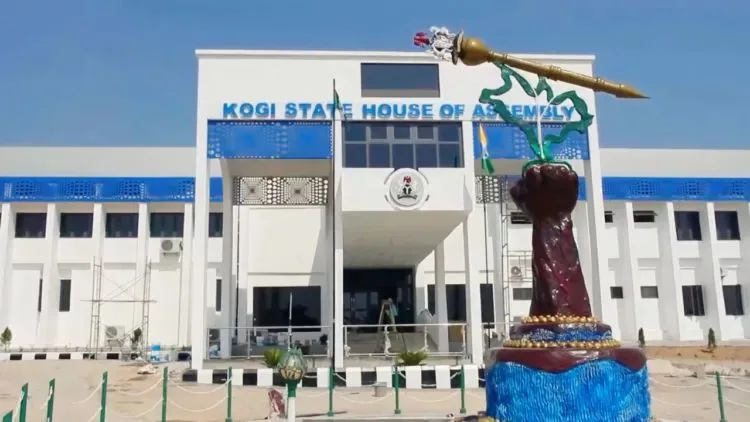
In Kogi State, lawmakers unanimously approved the proposed constitutional amendment during plenary proceedings in Lokoja.
The Speaker, Aliyu Umar Yusuf, described the legislative process as an important opportunity for the state to contribute to national discussions on improving public safety.
He argued that allowing states to recruit police officers familiar with their communities could improve intelligence gathering, accelerate responses to distress calls and reduce administrative delays in security operations.
Yusuf also identified employment generation as a potential benefit, noting that the establishment of state police services could create job opportunities for young people.
The proposed system is expected to complement the Nigeria Police Force rather than replace the federal policing structure.
Kano Also Approves Revised Supplementary Budget
Alongside the state police bill, Kano lawmakers approved the Kano State Supplementary Appropriation and Amendment Bill, 2026.
The Assembly reduced the proposed expenditure from approximately ₦1.478 trillion to ₦1.211 trillion, cutting the original proposal by about ₦266.61 billion.
The budget adjustment followed consideration of a proposal submitted by Governor Abba Kabir Yusuf for legislative approval.
What Happens Next?
The proposed state police framework is part of a constitutional amendment process initiated at the National Assembly and subsequently transmitted to the 36 state legislatures.
Under Section 9 of the 1999 Constitution, the amendment requires approval from at least 24 of the 36 State Houses of Assembly before it can proceed to the next stage. Recent reports indicate that this threshold has been met, with further steps required to complete the constitutional process.
However, passage of the amendment does not by itself mean state police units are already operational. Implementation will depend on completing the constitutional process and establishing the necessary legal, administrative and operational arrangements.
Key issues include sustainable funding, recruitment standards, police accountability, human rights protections and safeguards against political interference.
The outcome of these arrangements will be important in determining how effectively state police services can complement the federal police and respond to local security needs.
Note:
The decisions by Kano and Kogi mark another development in Nigeria’s efforts to reform its policing structure. Supporters argue that locally recruited officers could improve intelligence gathering and emergency response, while the practical impact will depend on adequate funding, professional standards and effective oversight.
The central question remains: Can decentralized policing improve public safety while ensuring that state police institutions remain accountable, impartial and independent of political pressure?