

Health & WellBeing
Ebola Vaccine Trial Begins in DR Congo as Death Toll Exceeds 4,600
HEALTH NEWS | 24 OCTOBER 2026
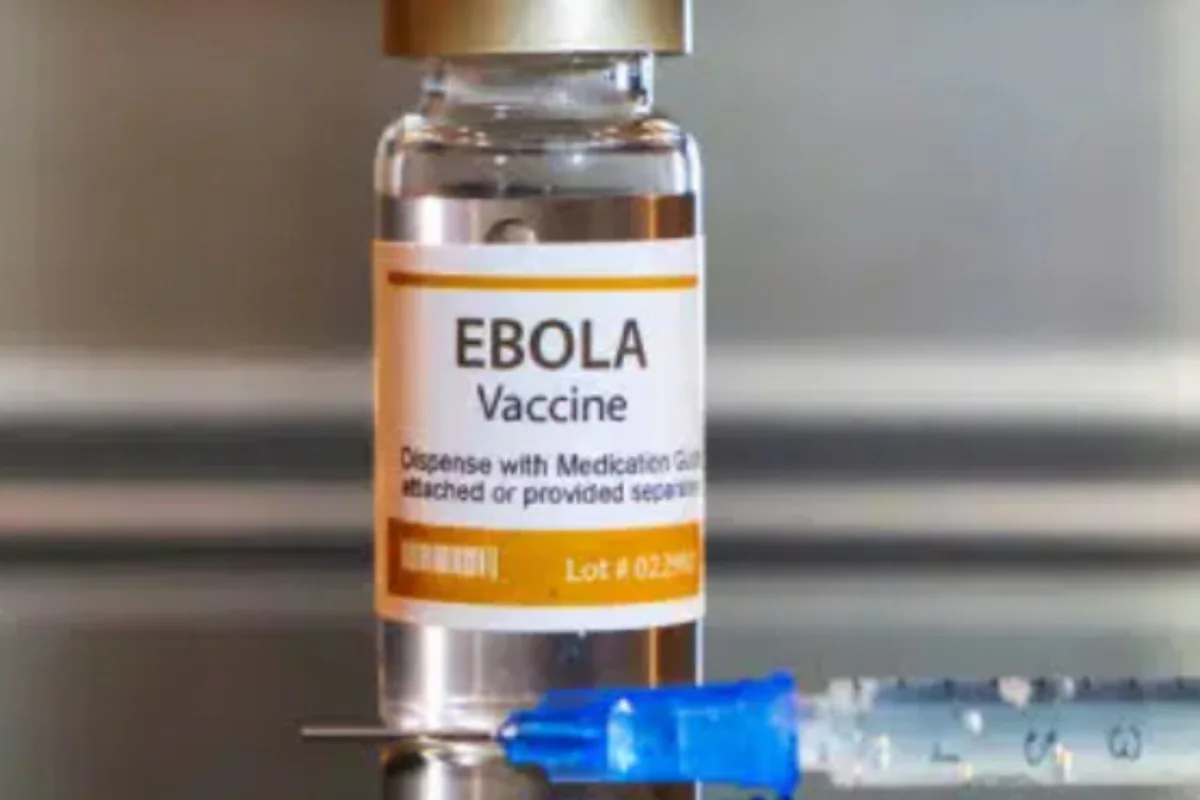
The World Health Organization (WHO) has announced the start of a clinical trial testing an Ebola vaccine in the Democratic Republic of the Congo, where a devastating outbreak of the Bundibugyo virus has killed thousands of people.
According to the WHO’s situation report published on October 23, 9,704 confirmed cases and 4,687 deaths had been reported in DR Congo as of October 20, 2026. The figures underscore the scale of the emergency and the urgent need for effective prevention and treatment measures.
Vaccine trial begins in outbreak epicentre
The first participant received the Ervebo vaccine on Friday, October 23, in Bunia, the capital of Ituri Province, which is at the centre of the outbreak.
The trial, named Tumaini, meaning “hope” in Swahili, aims to determine whether vaccine candidates can safely and effectively protect people against the Bundibugyo species of Ebola.
Ervebo is already approved for protection against the Zaire strain of Ebola. However, it has not been established that it protects against Bundibugyo virus, making clinical evaluation essential.
Two additional vaccine candidates expected
The trial will operate through an adaptive platform designed to evaluate multiple vaccine candidates within a single framework.
Two additional candidates are expected to join the study:
- Oxford University candidate: Uses a ChAdOx1 adenoviral-vector approach and is being developed with the Serum Institute of India.
- Moderna candidate: Uses messenger RNA (mRNA) technology.
Both candidates have received support from the Coalition for Epidemic Preparedness Innovations (CEPI). Their inclusion is intended to help researchers identify vaccine options specifically suited to Bundibugyo virus.
How the trial will work
The Tumaini study will use a strategy known as ring vaccination. This approach focuses on vaccinating people who have been in contact with infected individuals and others considered at high risk of exposure.
Researchers will assess the vaccines’ safety, immune responses and ability to prevent disease. The study also plans to include populations often underrepresented in clinical research, including pregnant women and children, subject to the applicable protocols for each vaccine candidate.
Outbreak spreads beyond DR Congo
The crisis has taken on greater regional significance. In its October 23 update, the WHO reported that cases linked to the outbreak had been identified in several countries, including Uganda, France, Kenya and Nigeria, in addition to DR Congo. Nigeria’s reported case has heightened concern about cross-border transmission and the importance of early detection.
The WHO has assessed the outbreak risk as very high within DR Congo and high for countries sharing its land borders in its earlier risk assessment. The organisation is reviewing the evolving situation as new information becomes available.
Why the vaccine trial matters
The current outbreak is caused by Bundibugyo virus, for which no vaccine has yet received approval. This leaves a significant gap in the tools available to prevent infection.
The trial could provide crucial evidence about whether existing or experimental vaccines can help protect exposed communities. Nevertheless, the start of the study does not mean an effective vaccine against this particular strain has been confirmed.
Public-health authorities must continue strengthening surveillance, contact tracing, infection prevention, timely diagnosis and access to appropriate supportive care while vaccine research proceeds.
Note:
The launch of the Tumaini vaccine trial marks an important research milestone in the fight against Ebola. But with more than 4,600 deaths reported in DR Congo and cases detected beyond its borders, the immediate priority remains containing transmission and protecting vulnerable communities.
For Nigeria and other affected countries, rapid identification of suspected cases, effective isolation and coordinated public-health responses remain essential. The trial offers hope, but its results must establish whether the vaccine candidates can provide meaningful protection against Bundibugyo virus.
Sources and further reading
- World Health Organization - Official Ebola outbreak situation report, 23 October 2026
- Institute of Tropical Medicine - Tumaini trial announcement
- Agence France-Presse - Ebola vaccine trial begins in DR Congo