

Human Interest | Public Safety
Displaced Nigerian Families Face Hunger, Homelessness as Children Lose Access to Education
Humanitarian Crisis | Nigeria | October 24, 2026
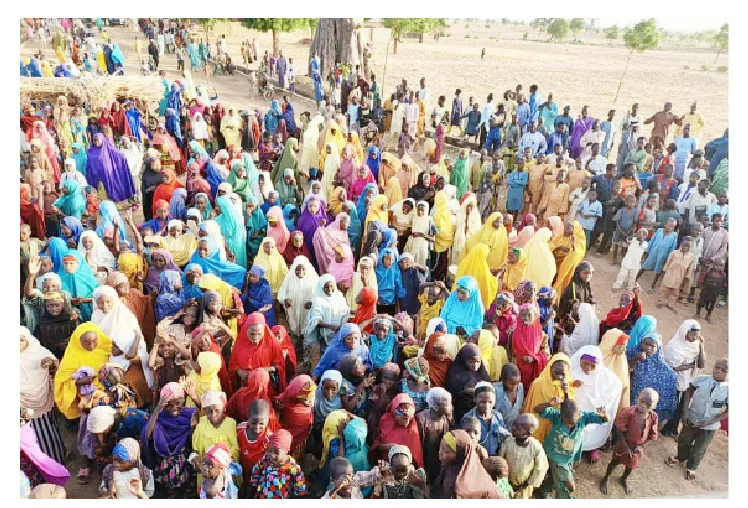
Thousands of internally displaced Nigerians are struggling to secure food, safe shelter, healthcare and education for their children as persistent insecurity and inadequate humanitarian assistance deepen hardship in camps and informal settlements across the country.
A report by LEADERSHIP highlights the difficulties facing displaced families in Borno, the Federal Capital Territory (FCT), Kaduna and Benue states, where many people who fled insurgency and communal violence continue to live in poverty, often years after abandoning their homes.
The report raises concerns about the long-term consequences of displacement, particularly for children whose education has been interrupted and for families struggling to rebuild their livelihoods.
Key findings from the report
1. Borno: Children deprived of education
In Maiduguri, 17-year-old Martha Samaila has never attended school because of financial hardship. Her father was killed by Boko Haram in 2014. Another displaced child, 13-year-old Philip Markus, faces similar barriers after losing his father to insurgent violence. Their families are appealing for educational and financial support.
2. Abuja: Demolitions deepen shelter concerns
The report says more than 1,300 makeshift structures at the Durumi settlement were demolished in May 2026. Families were reportedly left without adequate shelter, while residents across FCT camps continue to face difficulties accessing food, sanitation, healthcare and education.
3. Wassa: Food insecurity and health risks
Wassa is estimated to accommodate between 5,500 and 7,000 displaced people. Overcrowding, unsafe water, inadequate sanitation and reported shortages of medical supplies are compounding concerns about child malnutrition and preventable illnesses.
4. Kaduna: Displaced farmers risk their lives to survive
According to camp chairman Comrade Adam Sule, approximately 4,000 displaced people live in Mararaban Rido without a formal camp or sufficient support. Some reportedly venture into nearby bushes to seek livelihoods despite the danger of kidnapping or being killed.
5. Benue: Displacement continues amid insecurity
The Benue State Emergency Management Agency says 14 IDP camps remain operational. According to its information unit, four schools have been established to support children living with their displaced families. Continued insecurity in rural communities remains a major obstacle to permanent return.
The wider humanitarian picture
The challenges described in the report are part of a broader national crisis. UNICEF's 2026 humanitarian appeal estimates that 8.4 million people, including five million children, need humanitarian assistance across Nigeria's north-east, north-west and north-central regions. It also reports that more than 3.7 million people remain displaced nationwide.
The Norwegian Refugee Council likewise identifies conflict, insecurity and displacement as major drivers of humanitarian needs, with food, shelter, education, protection and access to essential services among its intervention priorities.
What needs to happen?
The accounts in the report point to several urgent priorities:
- Emergency assistance: Consistent access to food, clean drinking water, clothing and safe shelter.
- Education: Affordable schooling, learning materials, school meals and catch-up programmes for children whose education has been interrupted.
- Healthcare: Better access to essential medicines, maternal care, nutrition services and mental-health support.
- Livelihoods: Skills training, financial assistance and income-generating opportunities to help families become self-reliant.
- Sustainable resettlement: Safe returns where conditions permit, or dignified alternative housing when returning home is not possible.
Humanitarian support must also be transparent and fairly distributed, with particular attention to children, pregnant women, older people and people with disabilities.
Note:
Nigeria's displacement crisis cannot be measured only by the number of people forced from their homes. It must also be measured by the years of education children lose, the families who struggle to eat, and the people who remain unable to rebuild their lives long after fleeing violence.
Emergency relief is essential, but it cannot be the entire solution. Government authorities and humanitarian partners need to combine immediate assistance with education, healthcare, livelihood recovery, security and realistic resettlement plans.
For displaced children, access to education is more than a service. It is a chance to recover lost opportunities and build a future beyond displacement.
Source: https://leadership.ng/displaced-families-struggle-for-food-shelter-childrens-education-at-idp-camps/