

News
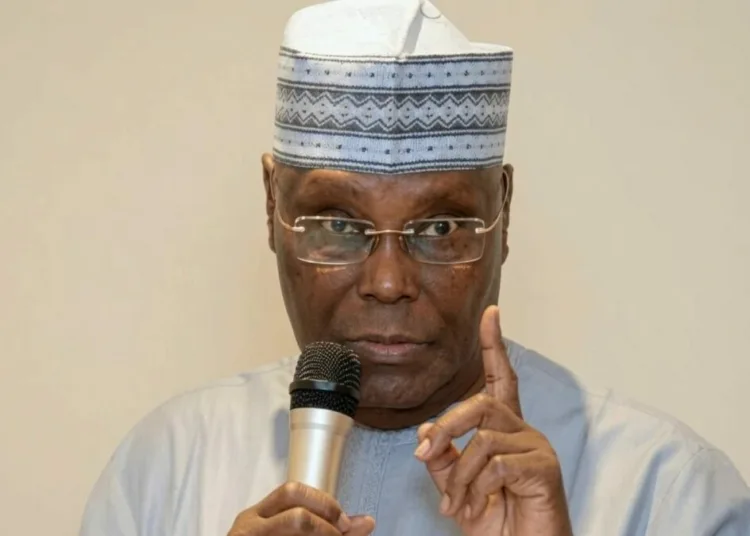
Atiku, NDC Criticise Tinubu Government’s 90-Day Cost-of-Living Relief Plan
Nigeria Politics | October 24, 2026
Former Vice President Atiku Abubakar and the Nigerian Democratic Congress (NDC) have criticised the Federal Government’s proposed 90-day cost-of-living relief plan, questioning its timing, implementation and capacity to ease the economic pressure facing Nigerian households.
The criticism comes as the National Economic Council (NEC) has endorsed the initiative, which aims to improve food affordability, harmonise taxes, accelerate key infrastructure projects, remove investment barriers and provide regulated household support.
Federal Ministry of Info
Why Atiku’s camp is opposing the plan
Speaking at a press conference in Abuja, Phrank Shaibu, Director of Strategic Communication for the African Democratic Congress (ADC) presidential campaign council, described the initiative as “election bait.”
Shaibu argued that the proposed 90-day implementation period would extend beyond the presidential election, which he said was 86 days away at the time of his remarks. He questioned why the government was announcing a new relief initiative when many Nigerians were already struggling with food prices, transportation costs and other household expenses.
He also argued that the effects of petrol subsidy removal had placed immediate pressure on households and businesses, while protections intended to cushion vulnerable Nigerians should have accompanied the reform.
The NDC’s National Publicity Secretary, Osa Director, separately criticised the administration’s economic policies, arguing that they had increased uncertainty for Nigerians.
Five key demands from the opposition
According to the ADC campaign council, the Federal Government needs to provide clear answers on the following:
- Food affordability: Which food prices are expected to fall, and how will reductions be sustained after the 90-day period?
- Tax harmonisation: Which taxes will be merged or removed, and what changes should households and businesses expect?
- Public projects: Which projects will be completed within 90 days, and when will Nigerians benefit from them?
- Investment barriers: What measures will reduce production costs, improve access to finance and encourage businesses to expand?
- Household support: Who qualifies for assistance, how much will beneficiaries receive, when will payments begin, and what happens after the programme ends?
Shaibu also raised questions about a registration exercise reportedly operating under the name “Arise for Tinubu 2027”, which he said requested voter identification, bank details and telephone numbers. He called for clarification on whether the exercise was connected to the proposed public relief programme and how personal information would be protected. These were allegations and questions raised by the ADC campaign official, not independently established findings.
What the Federal Government says
The government has presented the 90-day initiative as an effort to translate its economic reforms into practical improvements in Nigerians’ daily lives.
According to the Federal Ministry of Information and National Orientation, the NEC endorsed the plan on October 22, 2026. The council also approved a national dashboard to monitor projects and improve transparency in reporting how proceeds from petrol subsidy removal are being used.
Federal Ministry of Info
Vice President Kashim Shettima urged federal and state authorities to focus on tangible outcomes, including affordable transportation, healthcare, employment and greater financial security. The government has also identified improved food affordability and the removal of investment bottlenecks as priorities.
Federal Ministry of Info
The central question is whether these priorities will translate into measurable reductions in the cost of living within the announced timeframe.
Political and economic implications
The dispute places the government's economic programme under renewed political scrutiny ahead of the 2027 presidential election.
For the opposition, the announcement raises questions about timing, credibility and whether promised benefits will reach households before or after voters cast their ballots. For the government, the initiative creates an opportunity to demonstrate that its economic reforms can deliver visible improvements in purchasing power and living standards.
The outcome will depend substantially on implementation, funding, transparency and the ability to show that relief reaches eligible households. The plan's announcement alone does not establish that food prices, transport fares or other essential expenses will fall.
Note:
Nigeria's cost-of-living debate is increasingly focused on a practical question: Will government policies make everyday life more affordable for ordinary Nigerians?
The 90-day plan sets out priorities, while Atiku's camp is demanding specific commitments and measurable results. Nigerians will need clear eligibility rules, transparent spending records, implementation updates and evidence of sustained benefits to assess the initiative fairly.
Source reports: Leadership Nigeria