

United States | News
Trump Says Ilhan Omar Could Be Forced Out of Congress Amid Federal Investigation
Washington, October 23, 2026
US President Donald Trump has suggested that Democratic Congresswoman Ilhan Omar should resign from Congress following renewed scrutiny of her identity and immigration history, declaring that the situation was “not looking good” for the Minnesota lawmaker.
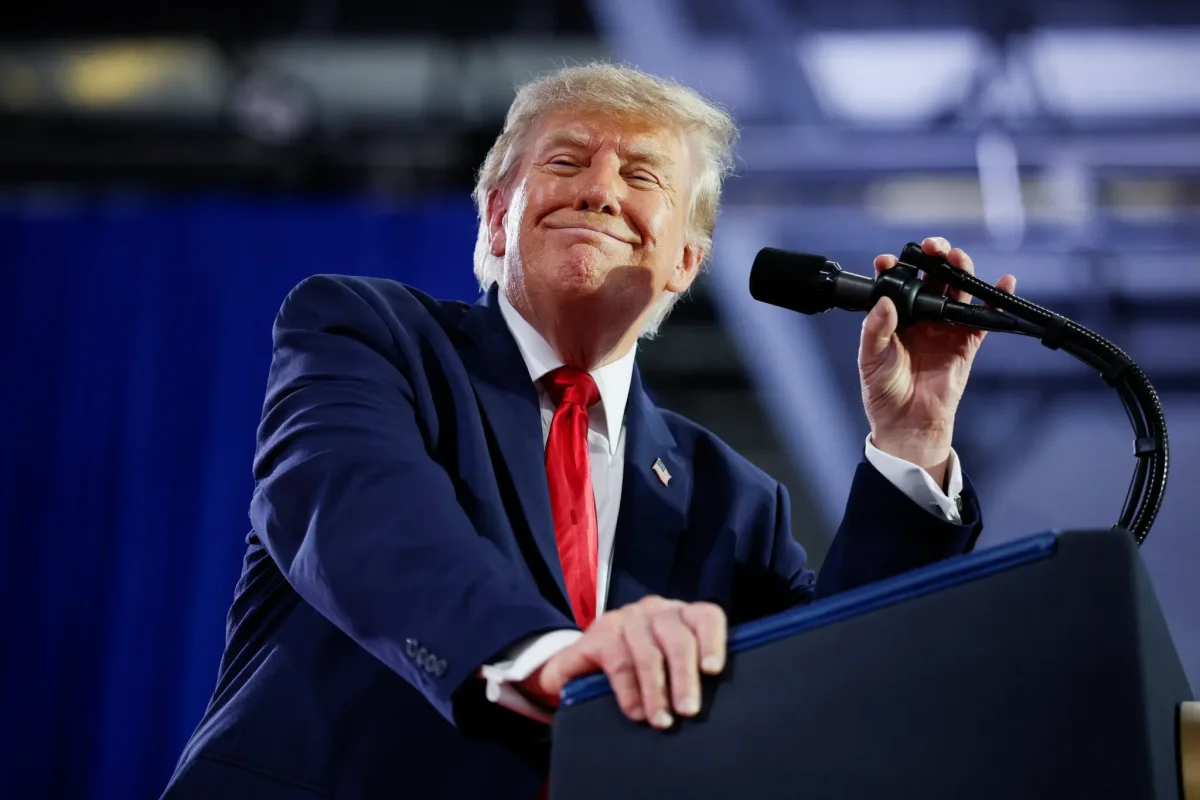
Trump made the remarks at a campaign rally in Iowa, where he questioned whether Omar could legally remain in the House of Representatives if allegations concerning the name she used when entering public office were substantiated.
According to the New York Post, Trump argued that Omar’s use of the name Ilhan Omar, rather than the name cited in recent federal court documents, could raise questions about her eligibility to serve. He also called on House Speaker Mike Johnson to address the matter.
The controversy intensified after a federal court filing referred to the congresswoman as “Ilhan Nur Said Elmi, aka Ilhan Abdullahi Omar.” The abbreviation “aka” means “also known as.” However, the wording of a court document does not, by itself, establish that a person committed identity fraud
Federal investigation raises further questions
The dispute comes amid a federal investigation into Omar’s historical immigration records and the circumstances surrounding her acquisition of US citizenship.
Reuters reported that federal agents searched Omar’s Washington, DC, residence on October 12 under a court-authorized warrant as part of an investigation involving alleged irregularities in immigration paperwork. Investigators are examining whether Omar or members of her family provided false information during the immigration and naturalization process, according to people familiar with the investigation.
Omar has denied wrongdoing and characterized the investigation as political intimidation. The allegations have also revived longstanding claims concerning her 2009 marriage to Ahmed Nur Said Elmi, whom some of her political opponents have alleged was her brother. Omar has denied wrongdoing in connection with the allegations.
As of the latest reporting cited here, the investigation had not established that Omar committed the alleged offences, and the naming language in the court filing is not a judicial finding of fraud.
Can Trump force Omar out of Congress?
Trump’s demand raises a separate constitutional and legal question: whether a president can compel an elected member of Congress to surrender her seat.
A president cannot simply remove a sitting representative from the House by declaration. Under Article I, Section 5 of the US Constitution, each chamber of Congress determines its own membership rules and can expel a member with a two-thirds vote.
Any criminal or immigration-related consequences would also depend on the evidence, the applicable law and the outcome of the relevant legal proceedings. Allegations alone do not establish guilt or automatically vacate a congressional seat.
The distinction is significant because the political demand for Omar’s resignation is separate from the legal process required to establish whether she violated any law.
Political implications
The dispute adds to the longstanding confrontation between Trump and Omar, a prominent Democratic critic of the president. It also places renewed attention on the use of federal investigations involving elected officials, particularly when politically sensitive inquiries occur close to elections.
Republicans may use the investigation to intensify scrutiny of Omar, while Democrats and her supporters may argue that the allegations are being amplified for political purposes. Those competing interpretations do not determine whether the underlying allegations are true; that question depends on verifiable evidence and due process.
For now, the central issues remain the findings of the federal investigation, the legal significance of the documents under review and whether any formal charges or court rulings follow.
Note: Trump’s call for Omar to leave Congress has escalated the political controversy, but the allegations must be distinguished from proven misconduct. A reference to multiple names in a court filing is not, on its own, proof of fraud, and a president cannot unilaterally expel a member of the House.